Zappi 22kW Three-Phase EV Charger Installation in Malvern East
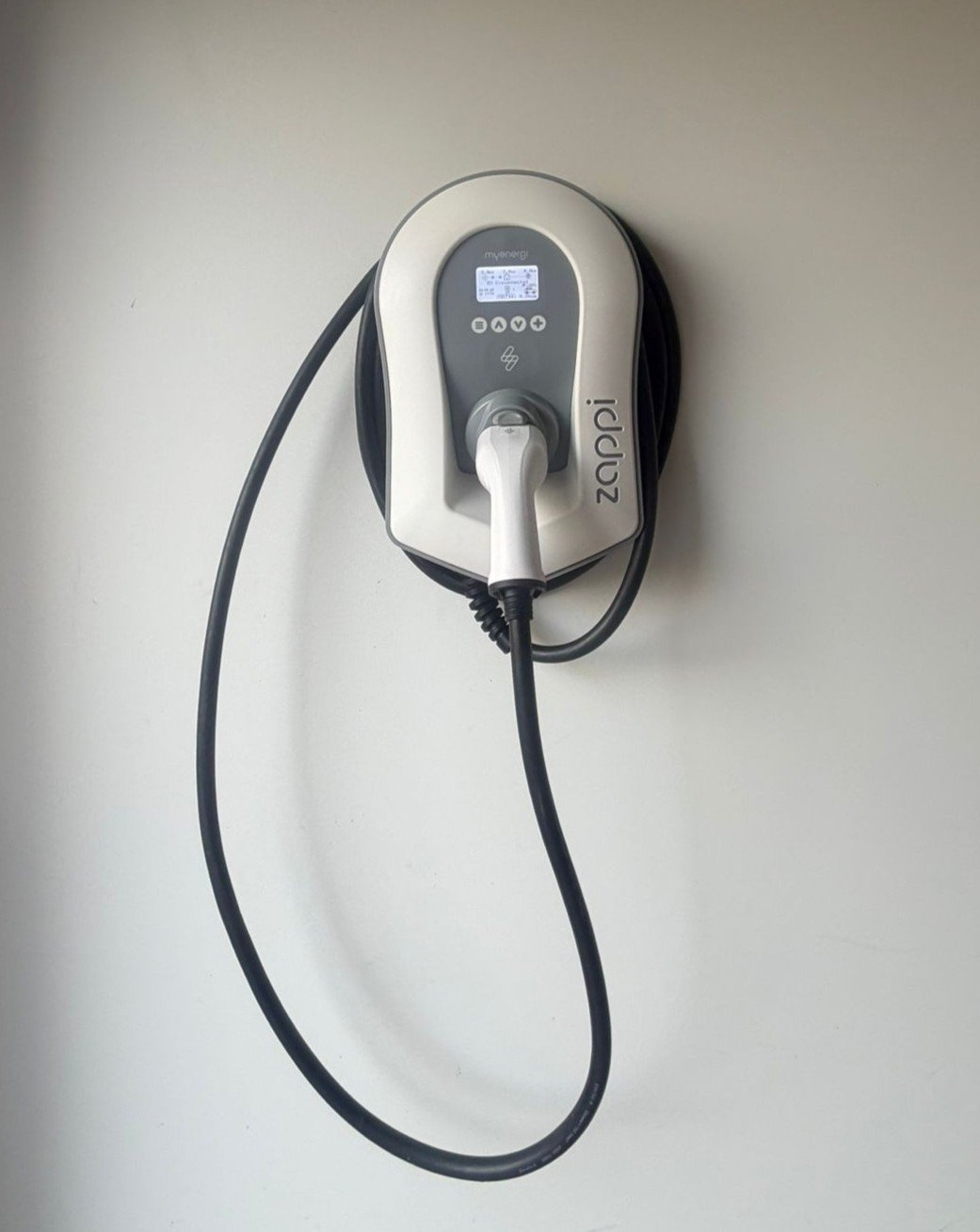
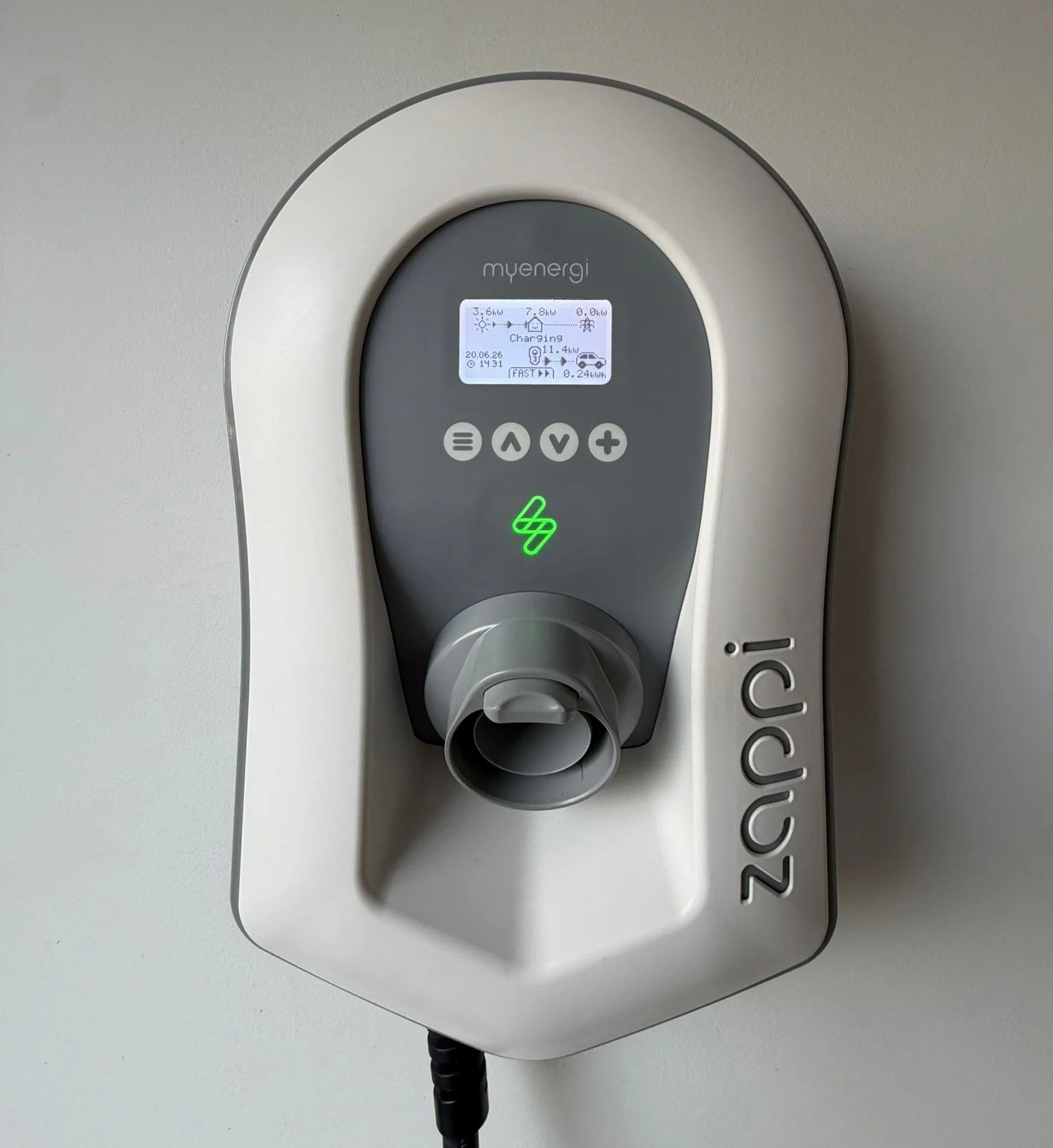
Completed in Malvern East, this residential EV charger installation included supply and installation of a white Zappi 22kW three-phase EV charger for a home with two electric vehicles, an existing Zappi charger, battery system, large central heating and a 63A supply limit.
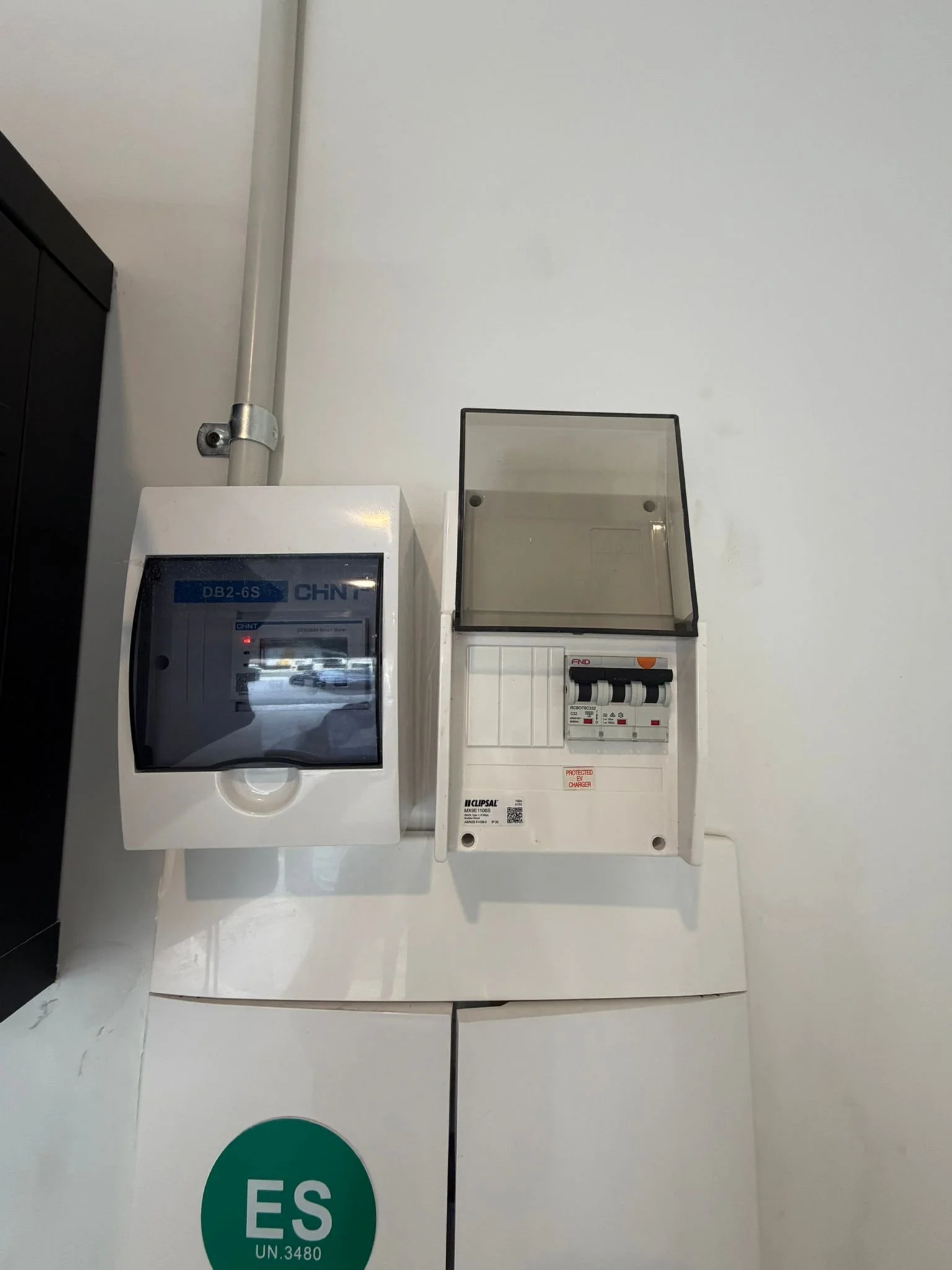
The project included a dedicated three-phase EV charging circuit, required RCBO/RCD protection, additional switchboard enclosure due to limited board space, approximately 15m of three-phase cabling, Zappi CT clamp / grid monitoring setup where practical, charger setup, testing, commissioning and Certificate of Electrical Safety.
Project Overview
This Malvern East installation was a residential Zappi 22kW three-phase EV charger supply and installation project for a homeowner with a BMW i4 and Zeekr 7X.
The property already had an existing Zappi charger installed on the garage wall, so this project involved adding a second EV charger to support regular charging of multiple electric vehicles at the home.
Because the property had an existing EV charger, battery system, large central heating and a 63A supply limit, the installation needed to be planned carefully around the available electrical capacity, existing charger arrangement, garage sub-board, circuit protection and charger configuration.
Rather than treating the new charger as a simple wall-mounted appliance, the correct approach was to install a dedicated three-phase EV charging circuit with the required protection, load monitoring consideration, testing and certification.
Because EV charging places a continuous load on the electrical system, the installation needed to be completed with proper consideration of the switchboard, available capacity, existing household loads, charger location, cable route and Zappi load management configuration.
Project Snapshot
Location: Malvern East, VIC
Property type: House
Vehicles: BMW i4 and Zeekr 7X
Charger installed: White Zappi 22kW three-phase EV charger
Existing charger: Existing Zappi charger installed on garage wall
Installation type: Residential additional EV charger supply and installation
Installation location: Garage wall
Supply type: Three-phase
Cable run: Approx. 15m three-phase cable run
Solar: Noted as part of site energy considerations where applicable
Battery: Yes
Switchboard: Garage sub-board
Supply limit: Customer advised property is capped at 63A
Protection: Dedicated three-phase EV charging circuit with required RCBO/RCD protection
Additional board work: Switchboard enclosure required due to limited available space in the existing board
Outcome: Completed white Zappi 22kW three-phase EV charger installation with setup, load monitoring consideration, testing, commissioning and Certificate of Electrical Safety.
What the Client Needed
The client needed an additional home EV charging setup for a property with two electric vehicles.
The home already had an existing Zappi charger, and the new installation was designed to support charging for a BMW i4 and Zeekr 7X.
The preferred setup was a white Zappi 22kW three-phase EV charger installed on the garage wall, supplied from the nearby garage sub-board.
Because the property already had one Zappi charger, a battery system, large central heating and a 63A supply limit, the installation needed to be configured carefully. The goal was to provide a practical second EV charger while considering the available site capacity and household demand.
With two EV chargers on one property, it is important not to assume both chargers can operate at full output at the same time. The final charging output depends on the property supply limit, household load, charger configuration, vehicle onboard AC charging limits and any load management settings.
What We Installed
This project included:
Supply of white Zappi 22kW three-phase EV charger
Dedicated three-phase EV charging circuit
Required three-phase RCBO/RCD protection
Additional switchboard enclosure due to limited available space in the existing board
Approx. 15m three-phase cable run
Cable route from the garage sub-board to the nominated garage charger location
Conduit/capping where required
Charger mounting on the garage wall
Hardwired charger connection
Zappi CT clamp / grid monitoring setup where practical
Review of the existing Zappi / second charger arrangement
Configuration with consideration to the existing Zappi and 63A supply limit
Zappi setup and configuration
Testing and commissioning
Certificate of Electrical Safety
The white Zappi charger was installed as a dedicated home charging solution, giving the customer a second EV charging point for regular charging of multiple electric vehicles at home.
Why This Setup Worked Well
This setup worked well because the new charger location was positioned within a practical cable route from the garage sub-board.
The Zappi is a strong option for homes where smart charging, load monitoring and energy management are important considerations. In this case, the property already had an existing Zappi charger, which made the new white Zappi a suitable choice for maintaining a consistent charger ecosystem.
For a property with two electric vehicles, a dedicated wall charger is a much better long-term solution than relying on standard power outlets or ad hoc charging arrangements.
The three-phase supply also allowed the charger to be configured around the available electrical infrastructure, while still recognising that the property’s 63A supply limit and the vehicles’ onboard AC charging limits affect the final charging output.
This is an important point for EV owners. A charger may be capable of up to 22kW, but the actual charging speed is limited by the vehicle, the electrical supply, household demand, charger configuration and installation conditions.
Two EV Chargers and 63A Supply Considerations
This property now has two EV chargers installed, including the existing Zappi and the new white Zappi 22kW three-phase charger.
With two EV chargers, a battery system, large central heating and a 63A supply limit, the charging setup needed to be configured with consideration to available supply.
The Zappi CT clamp / grid monitoring setup was installed and configured where practical to help monitor property demand and manage EV charging output.
In this type of setup, both EV chargers may not always run at full output at the same time if household demand is already high. This is normal and is part of designing a safe and practical EV charging system for homes with multiple EVs and high electrical demand.
The aim is not just to install the charger, but to make sure the charging setup works properly with the property’s real-world electrical usage.
Testing and Commissioning
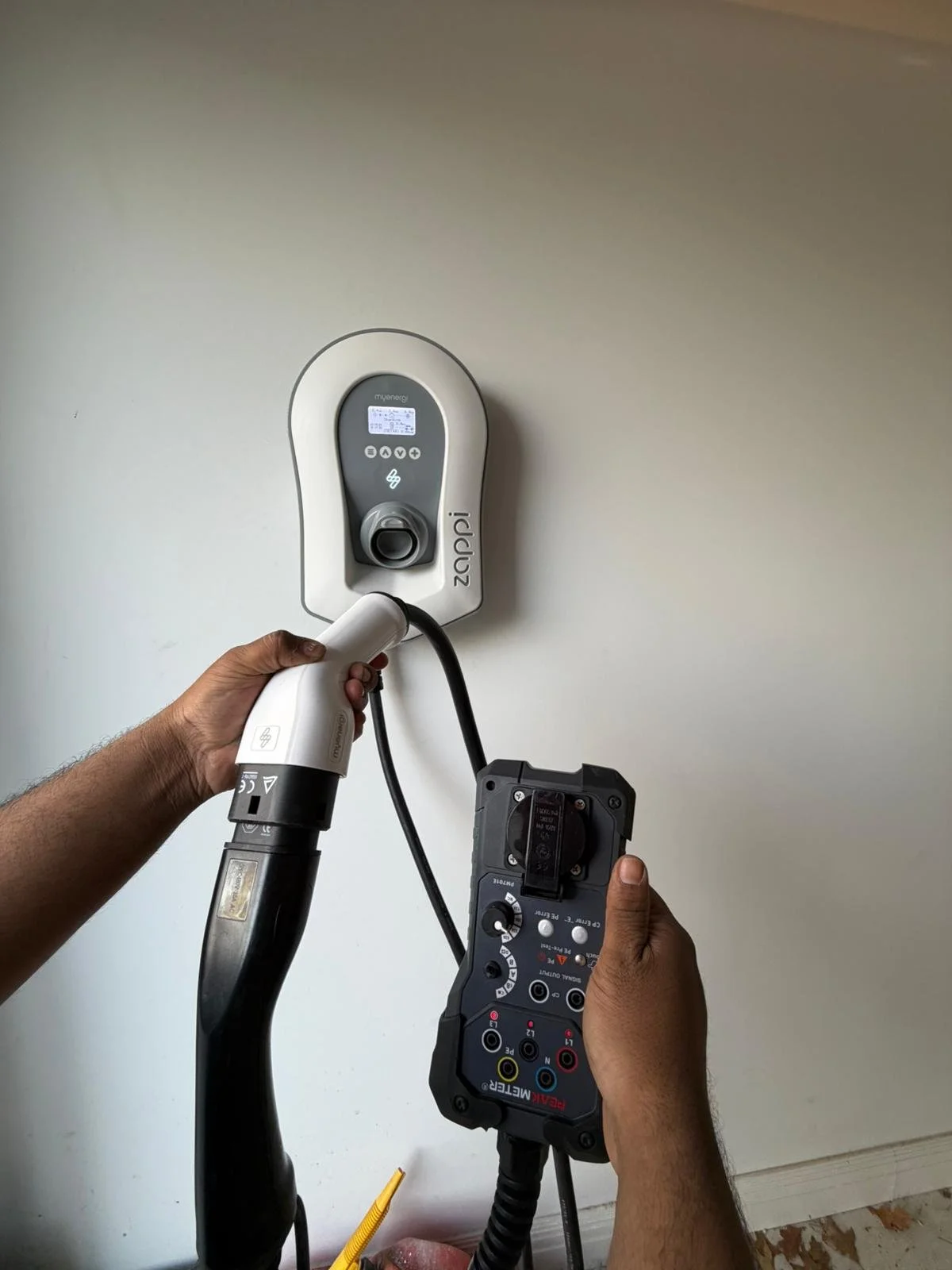
After installation, the EV charging circuit was tested and verified before handover.
The white Zappi 22kW three-phase charger was mounted neatly on the garage wall, connected via a dedicated three-phase circuit, configured for use, and installed with the required circuit protection.
Testing and verification are a critical part of any EV charger installation. A wall charger should not just be mounted and connected without confirming the circuit, protection, earthing, charger configuration and overall installation suitability.
The installation was completed with testing, commissioning and Certificate of Electrical Safety.
Battery, Load Management and Switchboard Considerations
This property included a battery system and other major electrical loads, so the existing electrical setup needed to be checked carefully before proceeding.
For this installation, the new Zappi was installed on a dedicated three-phase EV charging circuit. The garage sub-board was used as part of the installation pathway, with an additional switchboard enclosure installed due to limited available space in the existing board.
The existing Zappi setup also needed to be reviewed so the new charger could be configured with consideration to the second charger arrangement and the property’s 63A supply limit.
This is why EV charger installation should not be treated as a basic plug-in job. The switchboard, supply limit, protection, existing charger arrangement, battery system, major household loads and cable pathway all need to be considered before installation.
The Outcome
The finished result was a clean white Zappi 22kW three-phase EV charger installation in Malvern East, giving the client a second dedicated home charging point for a BMW i4 and Zeekr 7X.
The charger was installed on the nominated garage wall, connected via a dedicated three-phase EV charging circuit from the garage sub-board, protected with the required RCBO/RCD arrangement, and configured with consideration to the existing Zappi charger and 63A property supply limit.
The customer now has a more practical home charging setup for multiple electric vehicles, with load monitoring consideration, proper circuit protection, testing, commissioning and Certificate of Electrical Safety completed.
Need EV Charger Installation in Melbourne?
Planning to install a second EV charger at home? The right setup depends on your switchboard, cable route, charger location, available electrical capacity, supply type, solar or battery system, existing charger arrangement and how you plan to charge your vehicles.
Aether Installations helps Melbourne homeowners install compliant, future-ready EV charging systems with clear scope, licensed electricians and Certificate of Electrical Safety.
Request an EV charger installation quote today.