
Commercial EV Charger Installation Melbourne
EV charging infrastructure for workplaces, fleets & commercial properties designed for scalability, compliance & long-term performance.
If your site is planning to support EV adoption, the first step is understanding electrical capacity, charger demand & the right infrastructure pathway.
Aether Installations supports commercial EV charging projects across Melbourne and wider Victoria, including workplaces, dealerships, fleets, workshops, commercial properties and infrastructure sites.
• Licensed electricians
• AS/NZS 3000 compliant
• Melbourne-based, supporting Victoria & NSW
Planning public fast EV charging infrastructure at a dealership or EV repairer site?
View our DRIVEN Charger Grant Stream support page for site readiness and infrastructure planning support.
Aether also supports dealerships, workshops and automotive businesses with customer charging, workshop charging, staff charging and EV buyer home charging referral pathways.
For dealerships selling EVs, the common customer question is simple:
“How do I charge this properly at home?”
The Challenge
Many commercial sites start with one or two chargers in response to immediate demand.
Without a longer-term infrastructure plan, that approach quickly creates electrical, operational & cost problems as usage grows.
⚡Electrical capacity constraints
Commercial buildings often have limited spare capacity.
Installing multiple chargers without planning can overload systems or require costly upgrades sooner than expected.
💸 Unnecessary infrastructure costs
Reactive installations frequently lead to duplicated work, inefficient cable routing & avoidable upgrade expenses.
📈 Inability to scale
What works for one or two chargers rarely supports future demand.
Expanding later becomes complex, disruptive, and significantly more expensive.
⚙️ Operational inefficiencies
Without load management & proper system design, businesses may struggle with:
Uneven power distribution - Limited charger availability - Underutilised infrastructure
📉 Missed long-term value
Poorly planned systems limit flexibility, reduce asset value & fail to support the business as EV adoption accelerates.
🏗️ Disruption to business operations
Retrofitting EV infrastructure after multiple installs can impact daily ops, requiring additional downtime, rework & coordination.
What starts as a simple charger installation can quickly evolve into a complex infrastructure challenge - unless it is designed correctly from the start.
Who This Is For
We work with commercial sites where EV charging needs to align with operations, available electrical capacity and likely future demand.
🏢 Businesses & Workplaces
For staff, visitor & company vehicle charging where electrical capacity & future demand need to be considered.
🚛 Fleet Operators
For businesses transitioning to EVs that need charging systems aligned with schedules, uptime & operational efficiency.
🏬 Commercial Property Owners
For office, retail and mixed-use properties where EV charging supports tenant demand, asset value & future readiness.
🏗️ Developers & Builders
For projects that need EV infrastructure considered early to avoid retrofit cost & design limitations later.
🛍️ Retail, Hospitality & Customer-Facing Businesses
For businesses using EV charging as a customer amenity without creating operational or capacity problems.
The right commercial EV charging setup depends on how the site operates today and how demand is likely to grow over time.
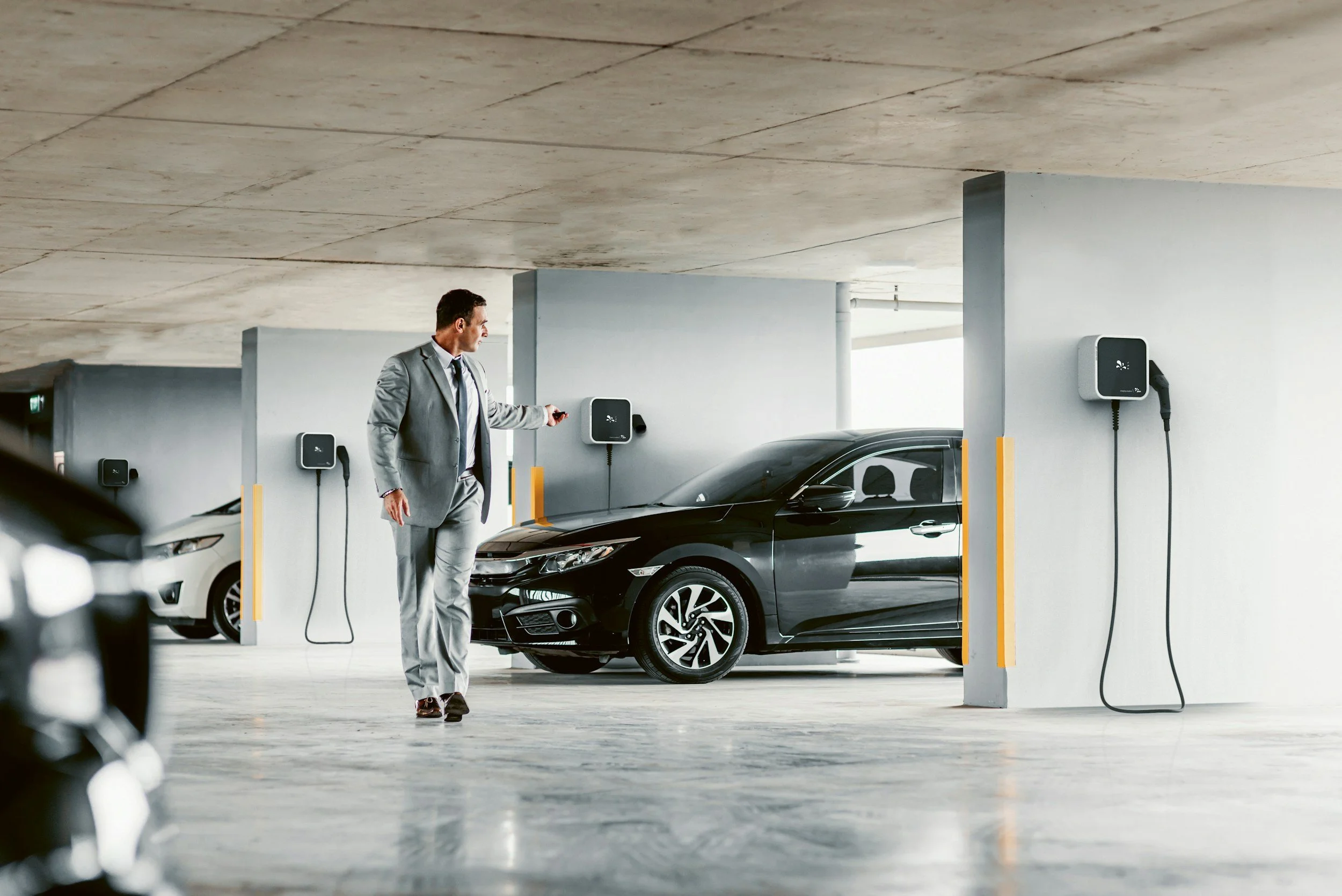
Commercial EV charging use cases
Commercial EV charging needs to be planned around how the site actually operates.
A dealership, workshop, fleet depot, workplace & customer-facing business all use chargers differently - so the infrastructure, charger locations, load management & future expansion plan should be designed around the use case, not copied from a generic installation package.
-
Dealerships need reliable EV charging for customer handovers, demonstrator vehicles, test drives, internal vehicle movement and customer confidence.
A poorly planned charger setup can slow down handovers, limit vehicle availability and create operational friction as more EV models enter the showroom.
Aether Installations helps dealerships plan charging around:
customer handover areas
demo and test-drive vehicles
workshop or pre-delivery charging
staff access and internal use
available electrical capacity
future charger expansion
For dealerships, the goal is not just to install one charger. The goal is to create a practical charging setup that supports daily operations and improves the EV customer experience.
-
Automotive workshops need EV charging for diagnostics, servicing, customer vehicles and operational workflow.
Unlike a standard home installation, a workshop charger may need to support repeated daily use, multiple vehicle types and charging in different work areas.
Aether Installations helps workshops assess:
charger location inside or near the workshop
cable routing and safe access around work bays
switchboard and load capacity
single-phase or three-phase charging requirements
staff use vs customer vehicle charging
future EV servicing demand
For workshops, EV charging should be treated as operational infrastructure - not just an accessory mounted on the wall.
-
Fleet EV charging needs to match vehicle schedules, charging windows, daily range requirements and site electrical capacity.
Installing chargers without a fleet charging plan can lead to overloaded infrastructure, unavailable chargers, slow turnaround times and unnecessary upgrade costs.
Aether Installations helps fleet operators plan:
charger quantity and charging speeds
overnight or daytime charging windows
vehicle parking layout
load management requirements
staged rollout options
future fleet growth
For fleet sites, the right approach is usually a structured charging plan that supports current vehicles while allowing expansion as more vehicles transition to electric.
-
Workplace EV charging can support staff, visitors and company vehicles, but it needs to be designed around parking access, expected usage and available capacity.
Aether Installations helps workplaces consider:
staff and visitor charging demand
charger access and parking allocation
electrical capacity and switchboard constraints
load-managed charging options
billing, usage tracking or access control
staged expansion as demand increases
A good workplace EV charging setup should be easy to use, safe to operate and scalable as more staff and visitors arrive in EVs.
-
Customer-facing businesses can use EV charging as a value-add for visitors, tenants or customers, but the system needs to be practical and commercially sensible.
Aether Installations helps customer-facing sites review:
charger visibility and customer access
parking layout and cable safety
usage tracking and billing options
electrical capacity and demand control
customer experience
future charger expansion
This can suit retail sites, hospitality venues, mixed-use properties, commercial car parks and destination businesses where EV charging supports customer convenience and site value.
Not sure which setup your site needs?
Most commercial EV charging projects should begin with a site-specific assessment.
This helps confirm electrical capacity, charger demand, site constraints and the best rollout pathway before hardware or installation pricing is locked in.
Commercial EV Charging Solutions
Commercial EV charging is not one-size-fits-all.
Once the use case is clear, the right solution depends on site capacity, charger quantity, access requirements, load management and future expansion needs.
Staff & Workplace Charging Systems
For staff, visitor and internal-use charging where accessibility and electrical capacity need to be balanced properly.
Fleet Charging Infrastructure
For higher-usage sites where charging needs to align with schedules, turnaround times and operational reliability.
Customer & Visitor Charging
For customer-facing environments where charging should improve user experience without creating power or layout problems.
Load-Managed Charging Systems
For sites where multiple chargers need to operate within limited available capacity.
Scalable Commercial EV Infrastructure
For sites that want staged expansion without repeated redesign, rework or avoidable upgrade cost.
Commercial EV charging should be approached as an infrastructure system - not a series of individual installations.
Recommended 3-Stage EV Charging Rollout for Commercial Sites
Stage 1
Site & Capacity Assessment
A detailed assessment of your site’s electrical capacity, infrastructure & operational requirements.
Includes:
Switchboard & load capacity review
Site layout & charger location planning
Usage & demand analysis (staff, fleet, customers)
Identification of infrastructure constraints
Future expansion considerations
Outcome:
A clear understanding of what your site can support & the most effective path forward.
Stage 2
Infrastructure & System Design
Design & installation of core electrical infrastructure to support multiple EV chargers across your site.
Includes:
Electrical distribution system design
Cable containment & routing
Load management system integration
Charger network planning
Provision for staged expansion
Outcome:
A scalable, future-ready EV charging system designed for your site’s operational needs.
Stage 3
Charger Installation & Integration
Installation of EV chargers within the designed infrastructure system.
Includes:
Installation of individual or grouped chargers
Smart charging configuration
Integration with load management systems
Testing & commissioning
Certificate of Electrical Safety
Outcome:
Reliable, compliant EV charging infrastructure that supports daily operations & future growth.
Start Your Commercial EV Charging Assessment
Understanding electrical capacity, charger demand and site constraints is the first step in any commercial EV charging project.
Commercial EV feasibility assessments start from $1,150 inc GST.
This covers site review and pathway advice only. Infrastructure works, charger supply, installation and related upgrades are quoted separately after assessment.
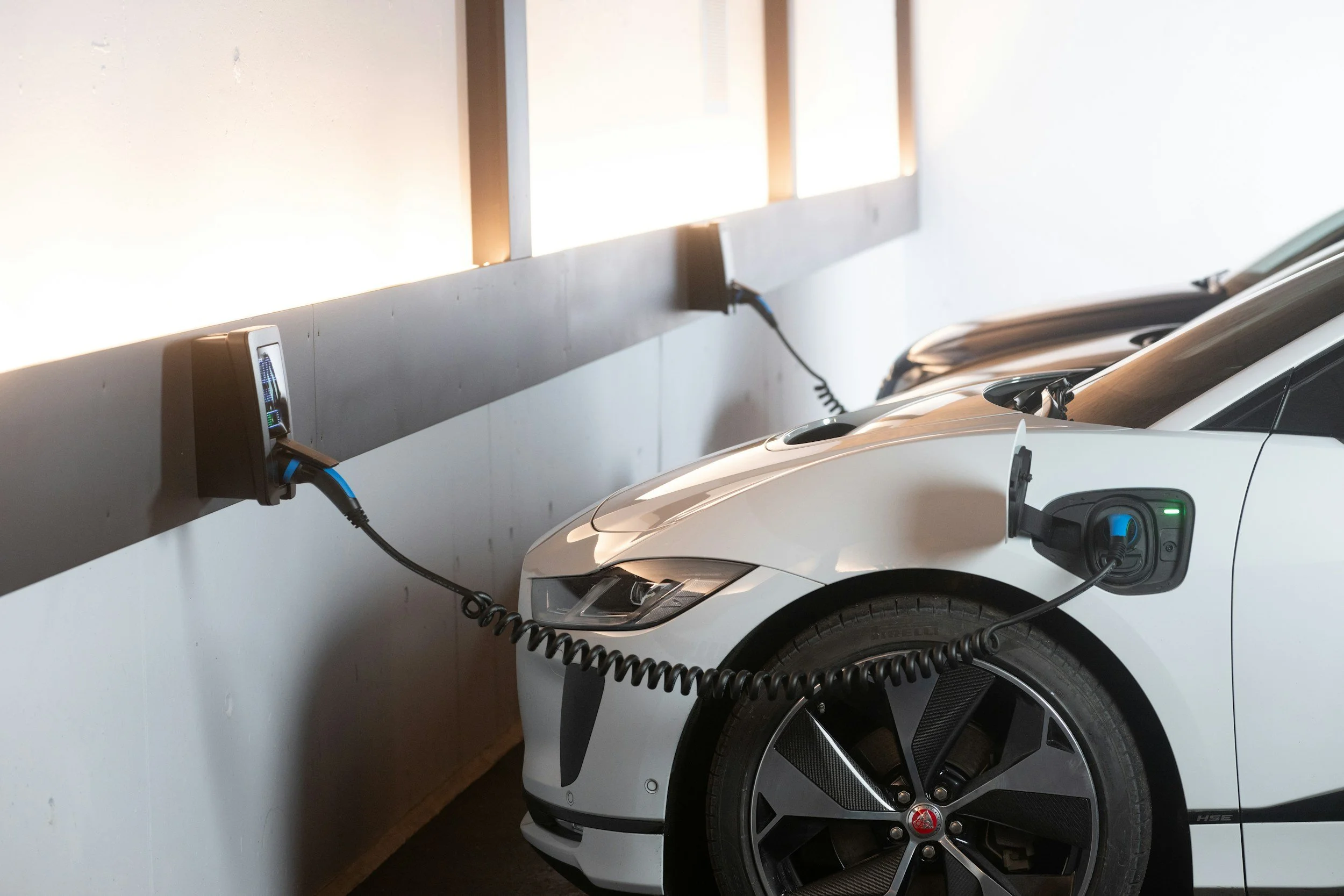
Key Benefits
A structured commercial EV charging approach improves operational efficiency, reduces long-term infrastructure waste and prepares the site for growing EV demand.
Prevents unplanned and inconsistent installations
Ensures all EV chargers are installed as part of a coordinated system - avoiding reactive upgrades & inefficient layouts.
Ensures compliance with electrical standards
Keeps installations aligned with electrical standards and site requirements.
Reduces long-term infrastructure costs
Avoids repeated electrical upgrades by planning infrastructure correctly from the outset.
Protects your electrical infrastructure
Prevents overload, unmanaged demand, and system instability across your site.
Improves operational efficiency
Ensures charging systems align with how your business operates - including staff usage, fleet schedules & customer demand.
Creates a scalable EV charging system
Supports increasing demand over time without requiring major redesign or disruption to your site.
Commercial EV Charging Services
Our commercial EV charging services are designed to support businesses at every stage of EV adoption - from initial feasibility through to full infrastructure rollout & ongoing system expansion.
EV Charging Feasibility Assessment
Best for businesses, property owners and site managers who need clarity before investing in EV infrastructure.
Includes:
Site inspection and infrastructure review
Electrical capacity and switchboard analysis
Charger placement and site layout review
Demand forecasting
Upgrade requirements and staged rollout options
Outcome:
A clear view of what the site can support & the best path forward.
Indicative Fee:
From $1150 inc GST (varies depending on site complexity)
Commercial EV Infrastructure Systems
Shared and scalable EV charging infrastructure designed for workplaces, fleets and commercial sites.
Includes:
Electrical distribution design and upgrades
Cable containment and pathways
Load management integration
Smart charging system setup
Provision for staged expansion
Outcome:
A compliant, future-ready charging infrastructure system.
Pricing:
Project-specific quotation
EV Charger Installation & Integration
Supply and installation of chargers aligned with site operations and existing infrastructure.
Includes:
Charger supply and installation
Dedicated circuits from distribution points
Integration with existing systems
Smart charging setup
Testing, commissioning and handover
Certificate of Electrical Safety
Outcome:
A fully operational, compliant charging solution suited to the site.
Pricing:
Dependent on site conditions and installation requirements
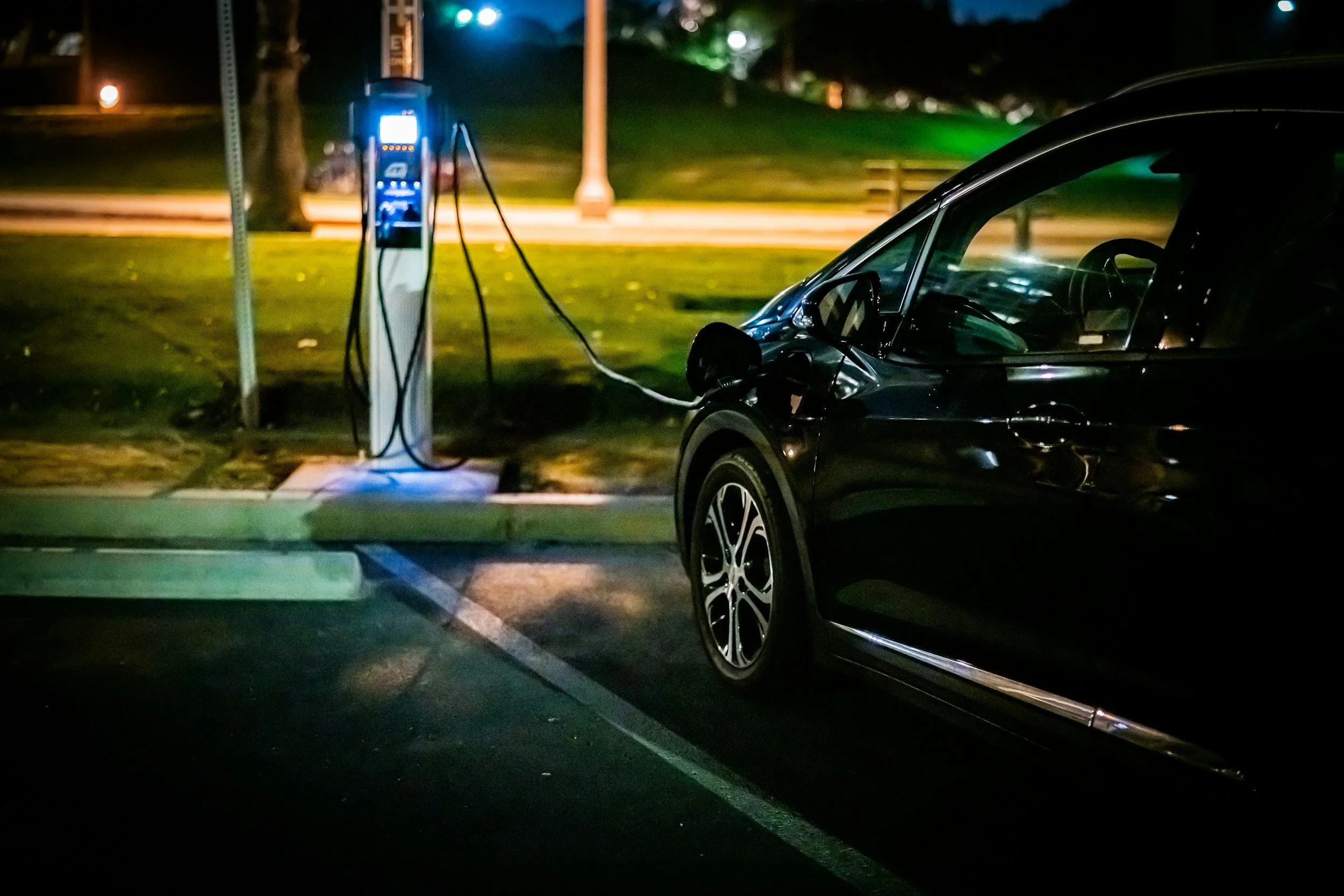
Commercial EV Infrastructure Planning in Practice
Commercial EV charging should be planned around how the site operates, not added one charger at a time.
That means understanding capacity, future demand, charger location & whether the infrastructure can support staged growth.
Example commercial scenario:
A workplace or mixed-use site may start with only a small number of EV charging requests, but without proper capacity planning, later expansion can become disruptive and expensive.
Aether Installations assesses the site properly first, then recommends a staged infrastructure pathway that supports current demand without closing off future growth.
Frequently Asked Questions
Common questions from businesses, property owners and facility managers planning commercial EV charging infrastructure.
-
Yes - most commercial properties can support EV charging infrastructure, but the approach depends on your site’s electrical capacity, parking layout, and intended usage.
A professional assessment is the best way to determine what’s possible and how to implement it effectively.
-
Costs vary depending on the size of the site, electrical capacity, and the type of system required.
Basic installations may be relatively straightforward, while larger infrastructure projects involving load management or upgrades require a tailored design and quotation.
-
Not always.
Many commercial sites can support EV charging using load management systems, which optimise existing capacity.
However, larger installations or high-demand sites may require switchboard or supply upgrades - this is determined during the assessment.
-
Load management systems allow multiple EV chargers to operate without exceeding your building’s electrical capacity.
This reduces the need for expensive upgrades while ensuring safe and efficient operation across the system.
-
Yes - and this is often the recommended approach.
Many commercial sites start with core infrastructure and expand over time as demand increases.
This avoids unnecessary upfront costs and supports long-term scalability.
-
Timelines vary depending on project complexity.
Smaller installations may take a few days, while larger infrastructure projects involving planning and upgrades may take several weeks.
-
Commercial EV charging can support:
Staff and employee charging
Fleet vehicles
Customer and visitor charging
Each use case requires a slightly different system design.
-
Yes.
Many systems allow usage tracking and billing, enabling businesses to recover electricity costs or generate revenue from public or customer charging.
-
The first step is a site-specific EV charging assessment.
This allows us to evaluate your electrical capacity, understand your requirements, and provide a clear plan for implementation.
-
For more information on EV charging infrastructure, installation requirements, and planning considerations, visit our EV Charging Guides.
For more information on EV charging infrastructure, installation requirements and planning considerations, visit our EV Charging Guides.
The first step in any commercial EV charging project is understanding your site’s electrical capacity, infrastructure constraints and charging requirements.
Submit your details below & we’ll assess the site and provide clear next steps.
Why Aether Installations
We specialise in EV charging infrastructure for commercial sites across Victoria & selected NSW regions.
That means thinking beyond the next charger & designing systems that can perform safely & scale properly over time.
EV infrastructure specialists, not general electricians
Commercial-focused charging for workplaces, fleets and customer-facing sites
Installations completed by licensed electricians in line with AS/NZS 3000
Load-managed systems designed to maximise available capacity
Scalable infrastructure built for future EV demand
Clear, structured approach that reduces avoidable rework and upgrade cost
Whether the site is planning for future demand or responding to immediate charging needs, the infrastructure pathway should be designed correctly from the outset.
For government or larger project-based EV infrastructure view: Government EV Charging Infrastructure.